Searching for a Parking Space Pollutes More Than People Think
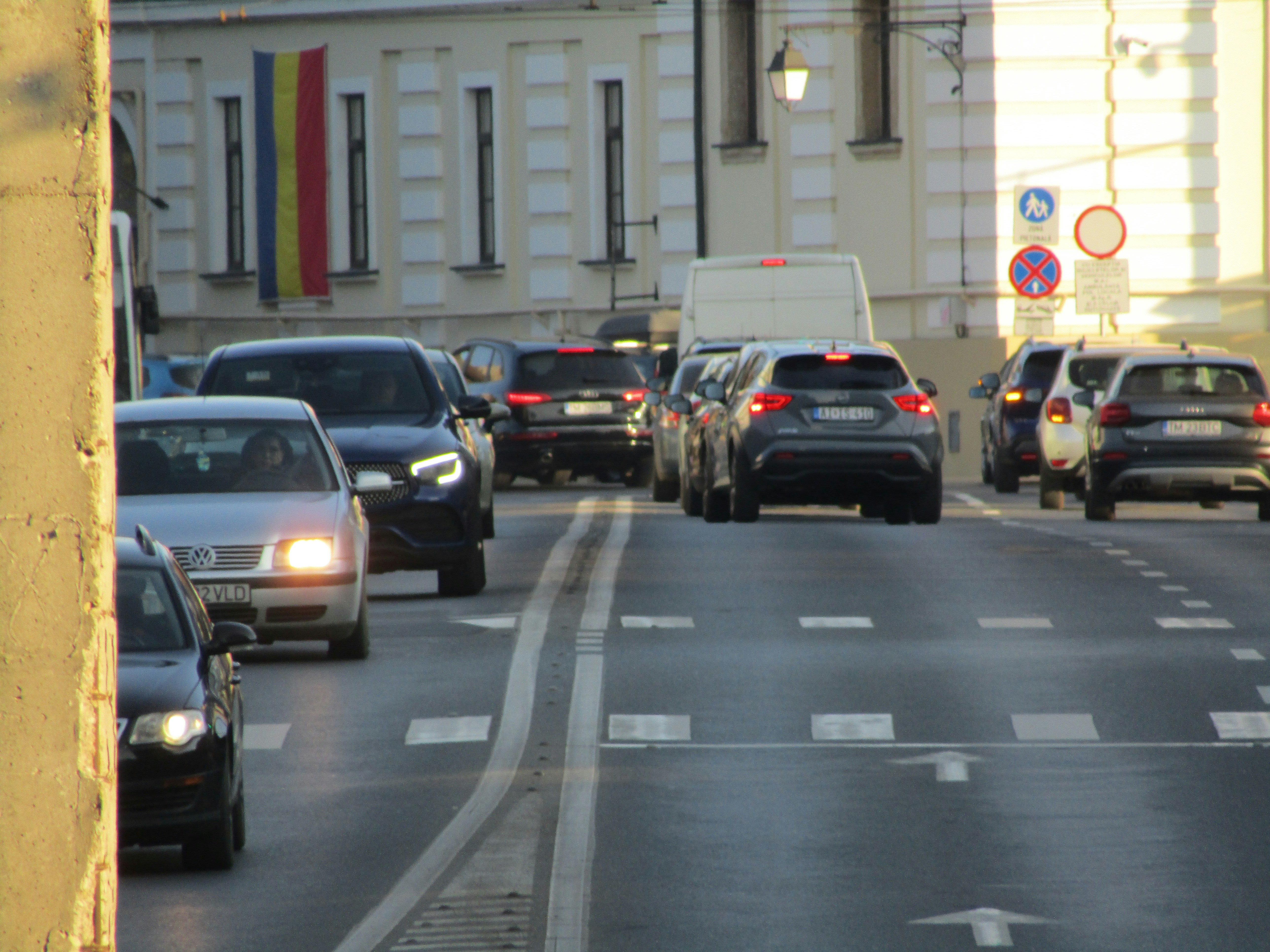
When we talk about car-related pollution in cities, we think of commutes, traffic jams, diesel engines. Rarely about searching for parking. Yet this time spent driving around accounts for a considerable share of urban emissions — and represents a concrete area for action that is too often overlooked.
An Invisible, But Massive, Traffic Problem
In dense urban areas, it is estimated that 20% of traffic is generated by drivers looking for a place to park*. This means that one in five cars you pass in the city is going nowhere — it is simply searching for a space.
Every minute spent searching, a vehicle emits on average 150 grams of CO2. For a driver who spends 10 minutes looking for a space — a common duration in city centres — that is 1.5 kg of CO2 for a journey that may have produced half that in the first place.
At the scale of a medium-sized city, this surplus of emissions runs into thousands of tonnes per year.
Why This Problem Is Structural
The shortage of available spaces is not inevitable: it is often the result of a lack of coordination. In cities, a large proportion of private spaces — in residential buildings, offices, underground car parks — remain empty for much of the day, while drivers desperately search for a spot just metres away.
According to data gathered by Parkshare, up to 30% of spaces in urban areas are underused at any given moment. This invisible resource directly fuels search traffic, simply because it is inaccessible to those who need it.
The problem is therefore not a lack of space. It is a problem of information and coordination.
What Cities Are Starting to Measure
Several European cities have begun integrating this data into their mobility plans. In Amsterdam, sensors installed in streets display available spaces in real time, measurably reducing average search time. In Barcelona, a similar programme showed a 15% reduction in search traffic in equipped neighbourhoods.
In other countries, awareness is growing more slowly. Mobility plans tend to focus on public transport and cycle lanes (which is essential), but often overlook the optimisation of existing parking — an approach that is actually cheaper to implement.
Pool Rather Than Build
The obvious response to a shortage of spaces would be to build more. Yet this is the least relevant option from an environmental standpoint: an underground car park represents between 500 and 1,000 tonnes of concrete per level, with a very heavy carbon footprint before a single car enters.
The alternative is to make better use of what already exists. That is exactly what Parkshare proposes: allowing residents to make their spaces available during their absence, and letting visitors or workers in the area book them directly from their phone. Less search traffic, fewer emissions, without laying a single additional square metre of concrete.
The model is aimed in particular at building managers and property management companies, who can deploy the solution across their building and offer residents a concrete service, while contributing to reducing the environmental impact of their property.
A Question of Priorities
Urban mobility is at the heart of cities' climate commitments. But reducing car-related emissions does not rely solely on restrictions or massive investment. It also requires simple optimisation solutions that build on what already exists.
Shared parking is not a marginal consideration. It is a real, quantifiable, and rapidly deployable lever. Ignoring it in debates about sustainable mobility means missing part of the solution.
To find out more about implementing Parkshare in your building, check out the available plans or contact us.
* Hampshire & Shoup (2019). How Much Traffic is Cruising for Parking? Transfers Magazine.