Shared Parking Between Neighbors: The Urban Solidarity That Changes Everything
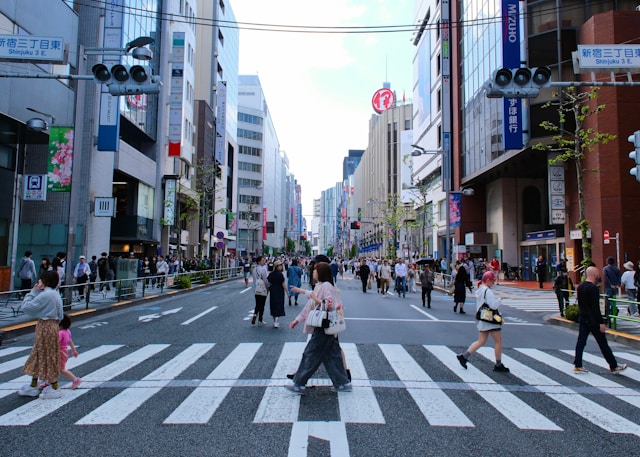
Shared parking between neighbors is changing the way we think about urban parking. Where traditional solutions — public car parks, expensive subscriptions, cars left kilometres away — struggle to meet demand, a new logic is emerging: the pooling of existing spaces among residents of the same neighbourhood.
A Context That Encourages Mutual Aid
Major cities across Europe are facing several challenges when it comes to parking: scarce spaces, rising prices, and growing pressure to reduce car traffic. At the same time, neighbourly bonds appear to be strengthening. According to a Statista study*, 81% of French people report having good or very good relations with their neighbours, a figure that is on the rise.
This is no coincidence. Faced with the rising cost of living and the saturation of urban infrastructure, residents are seeking collective rather than individual solutions. Exchanges of services between neighbours, once marginal, are becoming common practice: helping with shopping, sharing tools, and now, sharing parking spaces.
According to an INED survey**, nearly half of French people have either given or received a service from a neighbour. Digital platforms play a key role in this evolution, creating a framework of trust that facilitates exchanges.
Why Shared Parking Between Neighbors Works
The logic of shared parking is based on a simple observation: in urban areas, a large proportion of private spaces are unoccupied for much of the day. A resident who leaves for work leaves their space empty from 8am to 6pm. A visitor passing through cannot find anywhere to park nearby.
Connecting these two realities simultaneously solves several problems:
- Less traffic from searching for spaces. In the Île-de-France region, an estimated 20% of urban traffic is generated by drivers looking for a place to park. Each minute of searching produces around 150g of CO2***.
- Concrete savings. A Parisian driver spends an average of €600 per year on parking. With Parkshare, the exchange of spaces between neighbours is free: the lender does not charge, and the borrower pays nothing.
- Stronger social bonds. Sharing a space, even occasionally, creates a positive interaction between neighbours. These small acts of reciprocity help rebuild trust within neighbourhoods.
- A positive environmental impact. Fewer cars circling = fewer emissions, less noise, a more breathable city.
How Shared Parking Works in Practice
Platforms like Parkshare allow any individual to make their space available in minutes, by defining the time slots when it is free. On the other side, someone looking for a space in the neighbourhood can book it directly from their phone.
The system is entirely managed online: no need to exchange keys, no paperwork. The space is accessible during the agreed time slots, and the owner can reclaim it whenever needed. It is flexible, simple, and adapts to all lifestyles.
According to data gathered on the platform, this type of sharing can optimise up to 30% of underused spaces in urban areas — a considerable resource in cities where every square metre counts.
Beyond Parking: A New Way of Living in the City
Shared parking is just one example of a broader trend: cities learning to make better use of what they already have, rather than continuously building more. Shared tool libraries, community gardens, car-sharing — the logic is the same: transforming underused resources into services accessible to all.
Parkshare is part of this movement. Technology is not an end in itself, but a tool in service of human connection. What matters is that one neighbour can help another find a parking space — simply, without friction, and for free.
If you would like to implement Parkshare in your building, check out the available plans or contact us for more information.
* Statista study on neighbourly relations in France
** INED survey on services exchanged between neighbours
*** Hampshire & Shoup (2019). How Much Traffic is Cruising for Parking? Transfers Magazine.