Fuel at record highs: searching for parking has never cost more
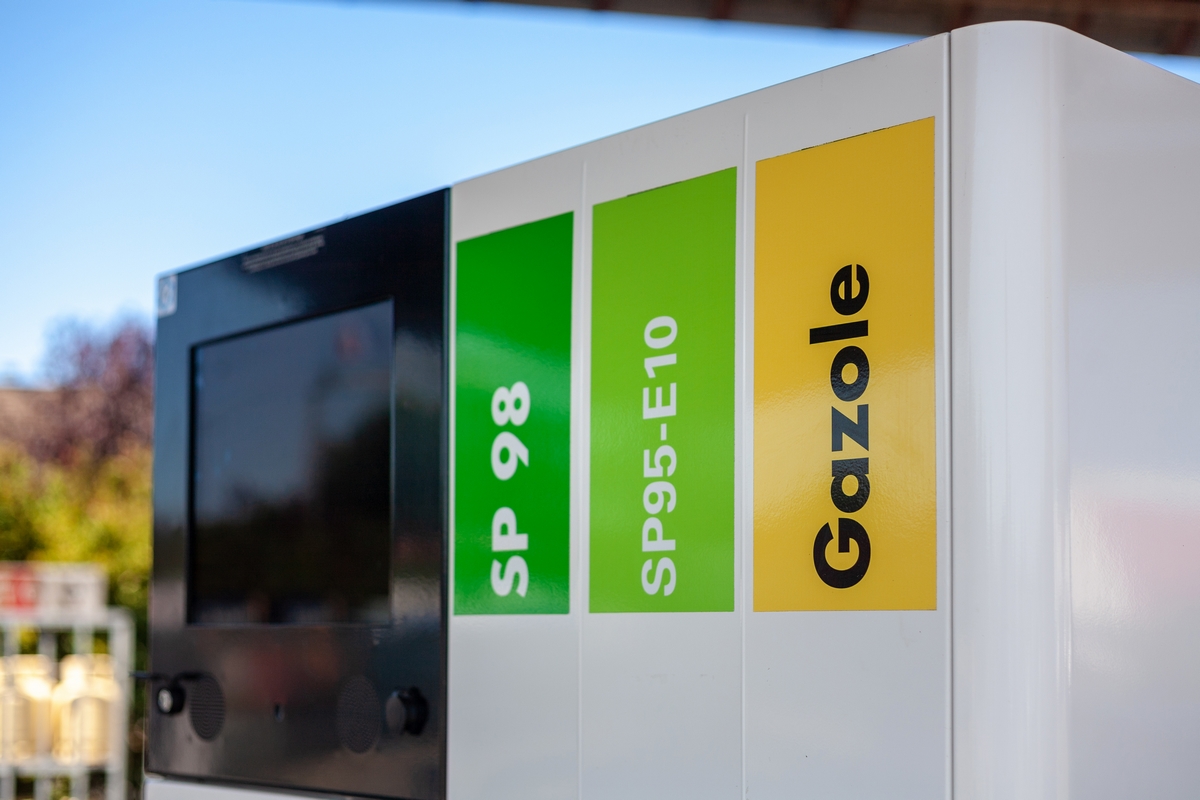
In September 2026, French and European drivers are facing another surge at the pump. SP95-E10 petrol has crossed €2.17/L and diesel is averaging over €2.33/L nationally — levels not seen since last spring's crisis. The cause: the resumption of hostilities between the United States and Iran in early September, which sent the Brent crude price from €89 to over €95 a barrel within days.
Amid all the debate about commuting habits, carpooling, and remote work, one cost keeps accumulating quietly, every day, in every city: the fuel burned while searching for a parking space.
A cost nobody calculates
When filling up costs more, drivers pay attention to fuel consumption on the road. What they rarely factor in is what happens before they even reach their destination.
A vehicle idling or crawling through urban traffic burns between 1 and 1.5 litres per hour. For ten minutes of parking search, that is roughly 0.17 to 0.25 litres of fuel wasted. At €2.17/L, this works out to between €0.37 and €0.54 per search.
That may sound like small change. But for a driver making the same round trip every day, it adds up to well over €10 to €15 per month spent purely on looking for a space, without travelling a single useful kilometre.
20% of urban traffic, going nowhere
That individual cost reflects a well-documented collective waste. In dense urban areas, an estimated 20% of traffic is generated by drivers searching for a parking space*. This figure, supported by multiple international studies, means that at any given moment, one in five vehicles on your street is going nowhere.
At €2.17/L, this ghost traffic represents an enormous quantity of fuel burned pointlessly, every day, across every city. And at today's prices, the cost of that waste is hitting record levels.
Why prices spiked in September
The September 2026 surge was not a surprise for anyone following energy markets. After a relative ceasefire over the summer, fighting resumed between the United States and Iran in early September, reviving tensions around the Strait of Hormuz, through which roughly a fifth of the world's oil passes.
Brent crude jumped from below $89 on 30 August to over $95 within days. Price rises at this level typically take two to six weeks to fully filter through to the pump, meaning drivers may not yet have felt the full impact**.
TotalEnergies announced it would maintain a cap of €1.99/L for petrol and €2.25/L for diesel across its 3,300 stations "for as long as the Middle East conflict continues" — a welcome measure, but one that covers only one brand among many.
Less searching, less fuel
The usual responses to rising fuel prices are well known: drive more smoothly, keep tyres properly inflated, avoid motorways. What rarely gets mentioned is cutting the time spent looking for a parking space.
Yet it is one of the most direct levers available. In residential areas, a large share of private spaces sit empty during the day, while drivers circle just metres away. Solutions like Parkshare connect these two realities: a resident who leaves for work makes their space available, and a visitor or local worker books it from their phone, without searching, without circling, without wasting fuel.
According to data gathered on the platform, this kind of sharing can optimise up to 30% of underused spaces in urban areas. Fewer cars cruising for a spot, less fuel burned for nothing, and a fuel bill that drops in an indirect but very real way.
The deeper question
Every fuel price spike restarts the same debate: should we drive less, go electric, use public transport? These are legitimate questions. But they often obscure a more immediate source of savings: using the car better, by eliminating pointless trips and the minutes lost searching.
When petrol costs over €2 a litre, every minute of parking search has a price. It is time to start counting it.
To find out more about Parkshare for your building, check out the available plans or contact us.
* Hampshire & Shoup (2019). How Much Traffic is Cruising for Parking? Transfers Magazine.